Atlanta Bookshelves Discusses the Design Challenges of Incorporating Large Televisions into Traditional Living Spaces
Nov 25, 2026
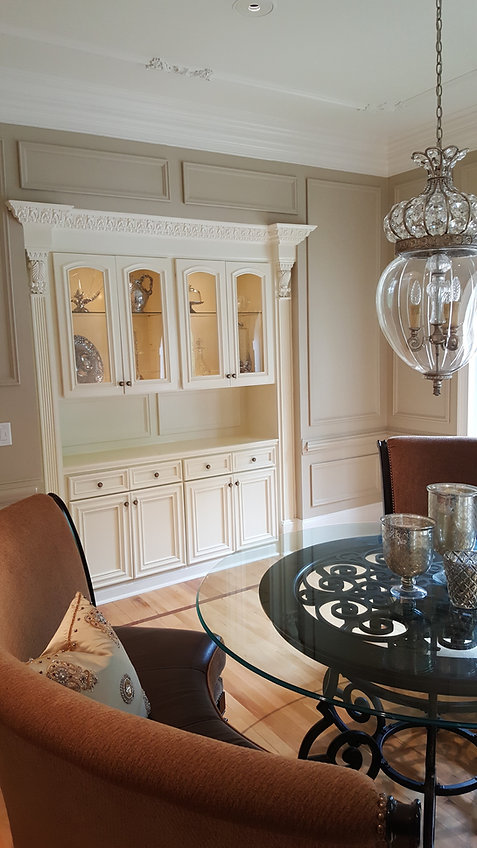
How custom cabinetry can help homeowners integrate modern entertainment systems while preserving the architectural character of traditional interiors.
Atlanta, Georgia Nov 24, 2026 (Issuewire.com) - Atlanta Bookshelves is examining how homeowners can incorporate large televisions into traditional living spaces without compromising the architectural character and established design of their interiors. As television screens become larger and home entertainment systems take on a more prominent role, homeowners face new challenges when balancing modern technology with traditional furniture, decorative details, and room layouts.
In many homes, the living room serves several purposes. It is a place for family gatherings, entertainment, and receiving guests. While televisions have become central to these spaces, their size and appearance can sometimes conflict with traditional interior design. Large black screens can dominate a wall, draw attention away from architectural features,s and disrupt carefully arranged furniture.
Atlanta Bookshelves recognizes that thoughtful furniture design can help address these challenges. Custom cabinetry offers homeowners opportunities to integrate entertainment equipment into their existing interiors while maintaining a consistent visual appearance.
Balancing Modern Screens with Traditional Interiors
Traditional living rooms often feature distinctive architectural details. These may include decorative moldings, fireplaces, built-in shelving, wood finishes,s and carefully selected furniture. Introducing a large television into such an environment requires consideration of how the screen will relate to these existing elements.
A television mounted above a fireplace is one common arrangement. However, this placement can create challenges involving viewing height, wall proportions, and the relationship between the screen and the fireplace surround. A large television may also overwhelm decorative details that were originally intended to serve as the room's focal point.
Custom entertainment cabinetry provides another approach. Rather than treating the television as a separate feature, homeowners can incorporate it into a larger furniture arrangement. Surrounding cabinets, shelving, and decorative panels can help establish visual balance while providing space for additional equipment.
The goal is not necessarily to conceal modern technology. It is to ensure that the technology feels like a considered part of the overall interior design.
Exploring Concealed Television Solutions
Some homeowners prefer to keep televisions out of sight when they are not in use. This can be particularly appealing in formal living rooms or interiors where traditional furnishings and decorative features take priority.
Custom cabinetry can accommodate several concealment options. Cabinet doors can be designed to close over a television, while sliding panels can move across a screen when entertainment is not required. Depending on the room layout, a television can also be incorporated into a cabinet arrangement that allows it to remain visible without dominating the entire wall.
These solutions require careful planning. Designers must account for screen dimensions, mounting arrangements, ventilation, and access to electrical connections. Cabinet openings also need sufficient clearance to prevent doors and panels from interfering with equipment. The choice of concealment method should reflect how frequently the television is used and how homeowners want the room to function.
Making Entertainment Furniture Complement Existing Architecture
One of the challenges of incorporating modern entertainment equipment into traditional homes is achieving consistency between new furniture and existing architectural details. An entertainment center designed without considering the surrounding room can appear disconnected from the rest of the interior. Differences in cabinet proportions, finishes, decorative trim, and hardware can make an otherwise functional installation look out of place.
Custom furniture allows these details to be considered together. Cabinet profiles can reflect existing woodwork, while decorative moldings and panel designs can help connect an entertainment unit to other features in the room.
Fireplace surrounds, built-in bookcases, and existing cabinetry may also influence the design. In some homes, the entertainment center can be incorporated into a larger arrangement that gives the entire wall a unified appearance.
Atlanta Bookshelves approaches these projects with attention to the relationship between furniture and its surrounding architecture. The company's custom-built solutions allow homeowners to consider both practical entertainment requirements and the visual character of their living spaces.
Planning for More Than the Television
Modern entertainment systems involve more than a television screen. Streaming devices, gaming consoles, sound systems, media players, and other electronic equipment can create additional storage and installation requirements.
Cable management is another important consideration. Unorganized wires can detract from an otherwise attractive installation, particularly when equipment is mounted on an open wall or incorporated into decorative cabinetry.
Custom entertainment furniture can provide dedicated compartments for electronic devices, concealed cable routes,s and accessible connections. Ventilation should also be considered when placing equipment inside enclosed cabinets. Electronic components generate heat, and adequate airflow helps prevent overheating. Homeowners may also want to consider future equipment changes. Designing cabinets with sufficient space and accessible connections can make it easier to replace devices without modifying the entire furniture arrangement.
Designing Living Spaces Around How Families Use Them
The relationship between entertainment equipment and traditional furniture is also influenced by how people use their living rooms. Some households prefer a dedicated viewing arrangement, while others want a space that accommodates conversations, reading, and occasional entertainment.
Television placement can affect furniture positioning, walking paths, and the amount of available wall space. A custom entertainment center should therefore be considered alongside seating arrangements, lighting, and other activities that take place in the room.
Atlanta Bookshelves encourages homeowners to consider these practical requirements before committing to a particular layout. Screen dimensions, viewing distances, storage needs, and existing architectural features can all influence the final design.
As technology continues to change, traditional living spaces do not necessarily need to be redesigned around every new entertainment device. With thoughtful planning, custom furniture can provide a connection between modern household technology and established interior styles.
Atlanta Bookshelves continues to explore how personalized cabinetry and built-in furniture can help homeowners create living spaces that accommodate contemporary lifestyles while preserving the character of their homes. To learn more, visit: https://www.atlantabookshelves.com/
Source :Business News
This article was originally published by IssueWire. Read the original article here.
More News





YOUR NEWS, OUR NETWORK.
Do you have Great News you want to tell the world?
Be it updates about your business or your community, you can make sure that it’s heard by submitting your story to our network reaching hundreds of news sites across 6 verticals.